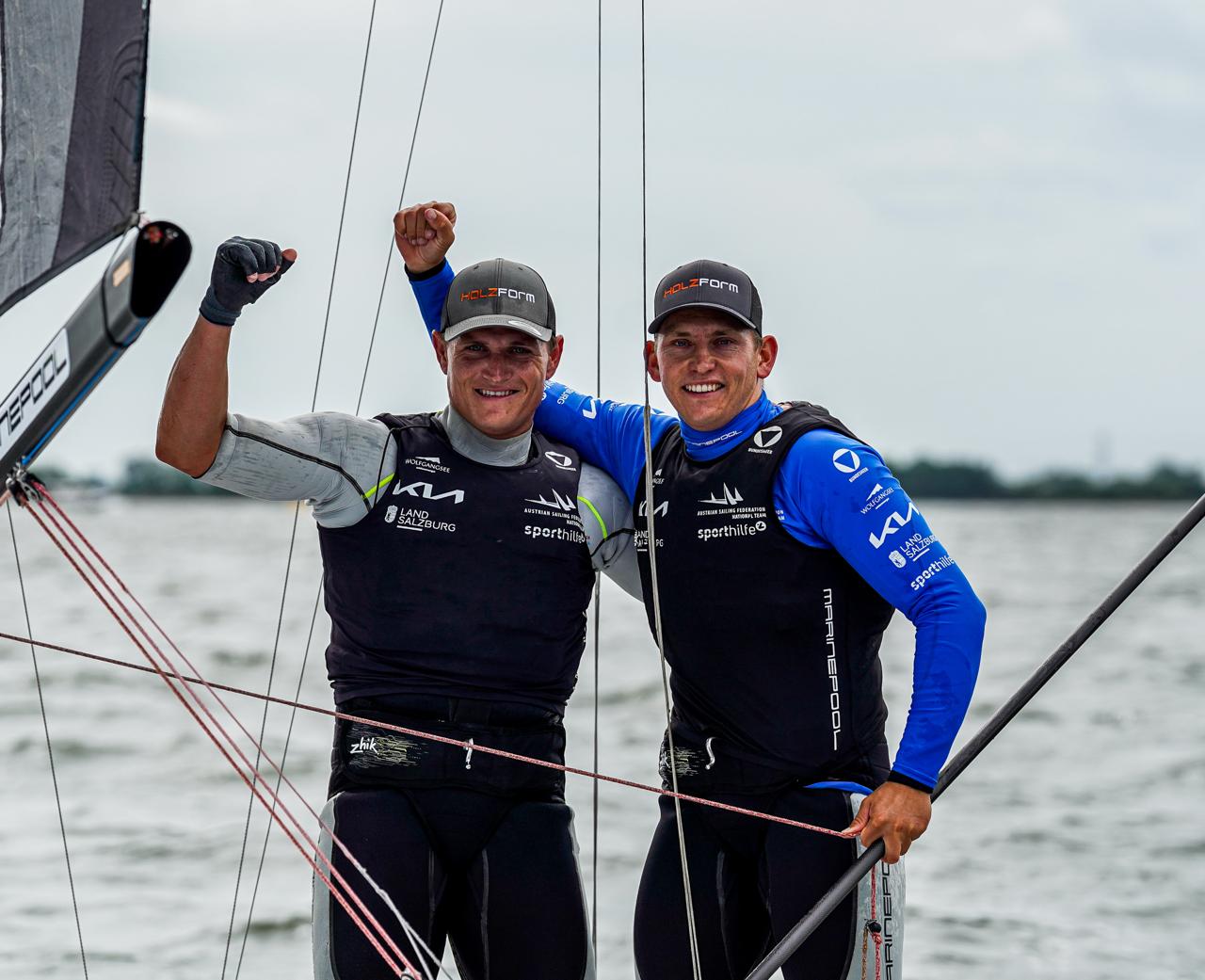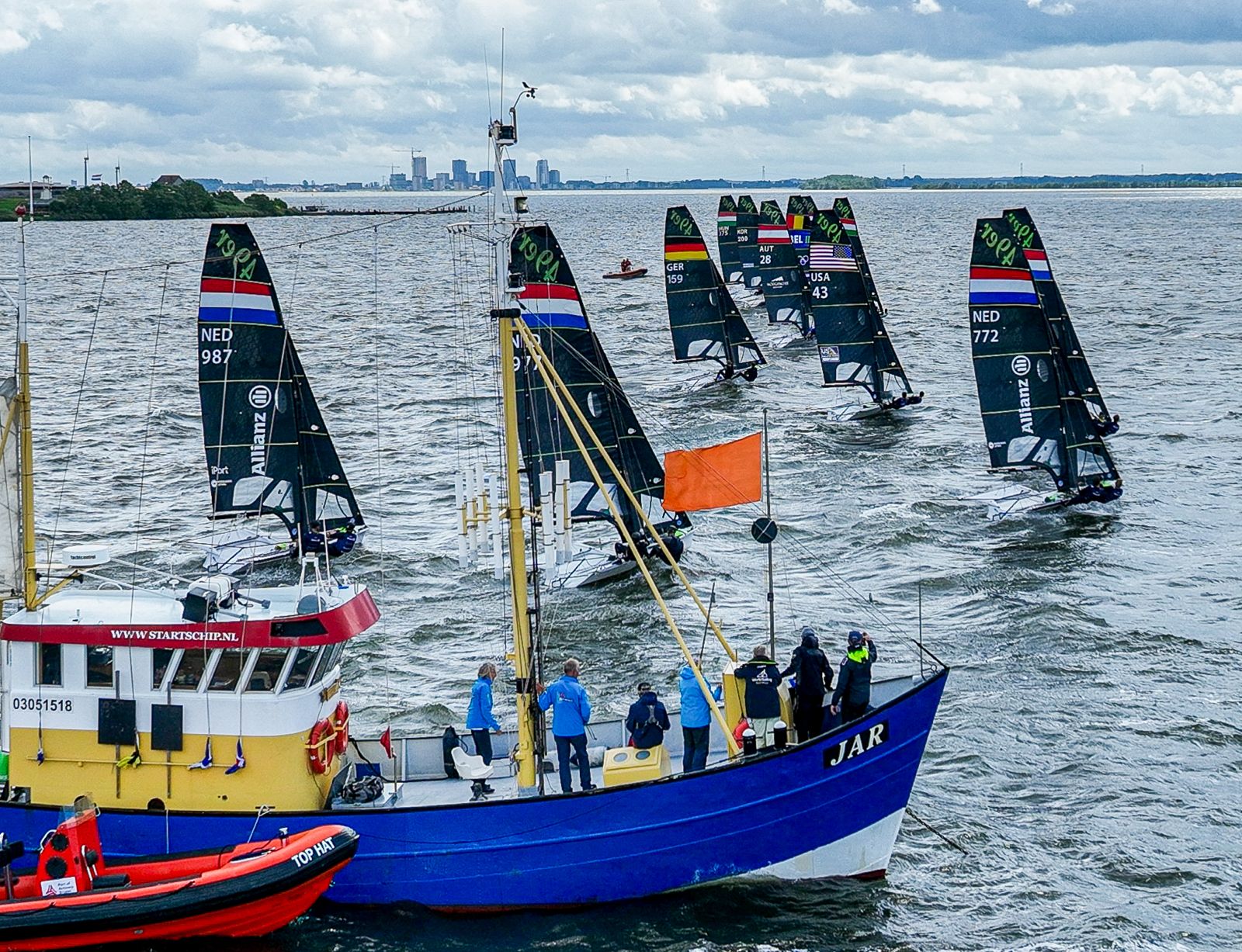





Dutch Water Week concluded today with the pilot finals of the Sailing Grand Slam (SGS). On the Weerwater, in the heart of Almere, the decisive races were sailed in the four participating Olympic disciplines.
The Sailing Grand Slam is a collaboration of five major international sailing, surfing, and kite events across the ten Olympic disciplines. This year in Almere, alternative racecourses and a new points system were tested for the finals of this series in the near future. The goal: not only to determine the 2025 winners but also to experiment with formats that make the sport more exciting, understandable, and engaging for spectators, media, and the athletes themselves.
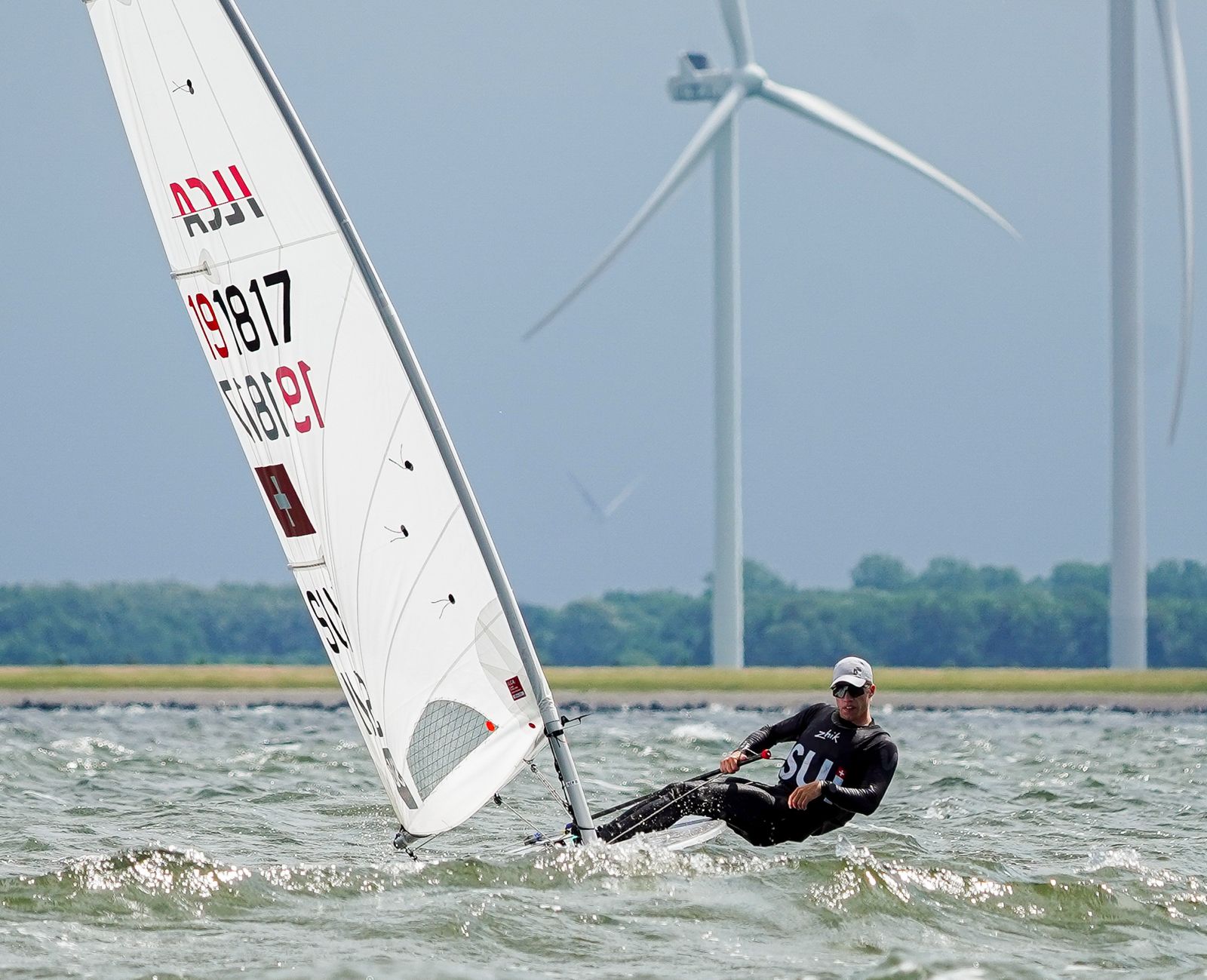
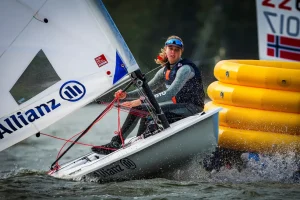
ILCA 6
A Dutch sailor reached the podium in the ILCA 6 class: Roos Wind won bronze.
“The wind was coming from all directions, so looking outside the boat and sailing smart and tactically was the best strategy here. The races are shorter than usual, and we’re sailing the final with only five boats, so a small fleet. That makes it fun and really different. I think it’s great that new formats are being tested. The ILCA 6 had a different format than the ILCA 7 this weekend, and because we sail with a smaller fleet, it’s a good place to try it out. For me, this is a positive development,” said Roos Wind.
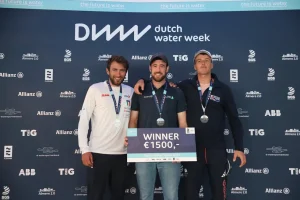
Victory and €1,500 in the ILCA 6 went to Agata Barwinska (POL), while Line Flem Høst (NOR) finished fifth.
Høst advised finding a better balance between qualification and final races: “I want to help the sport move forward, because it’s clear it needs to be more attractive to watch. I think qualification races should count more than in this pilot. Consistency over a full week is part of sailing, and that makes the sport fair.”
ILCA 7
In ILCA 7, the win and €1,500 prize went to Finn Lynch (IRL). The top Dutch sailor was Duco Bos, who finished sixth. World champion Willem Wiersema came seventh.
IQFoil
In the men’s IQFoil, Yoav Omer (ISR) surprisingly took the title and €1,500. Johan Søe (DEN) finished second and emphasized that the experiment was valuable but needs refinement.
“It was interesting to try this new format. The course setup was good, and I’m positive about that. However, the points system, where only the top three score, is too extreme. Maybe it should be the top five so a larger part of the fleet participates and it stays exciting. It’s important for the sport to keep testing and improving, so sailing and windsurfing toward Los Angeles 2028 become more understandable and appealing for spectators and media.”
Joost Vink (NED) finished third, taking a podium spot, while Max Castelein (5th) and Kiran Badloe (6th) also made the final.
Badloe also praised the course: “Course X with a gate at the top and bottom is fun. It keeps the fleet close together and offers many options. The points system, where only the top three get points, isn’t the best solution. Sometimes the 9th or 10th place doesn’t even finish, while others take risks to split the fleet. I’d rather see everyone score points—it makes it fairer and more exciting. Maybe even a high-point system. We learned a lot this week. I also suggest the Sailing Grand Slam and the IQFoil class organization collaborate more closely to see how to move forward.”
Looking Ahead
The experiments in Almere made it clear that there is still work to do, but also that everyone involved is committed to advancing the sport. As Brit Michael Beckett said earlier this week: “It’s good that we’re testing this… it’s the only way to make the sport more accessible and stronger.”
With these insights, the organizers can now continue building a permanent season finale for the Sailing Grand Slam. The ambition is clear: a format that is attractive to spectators and media while preserving the essence of the sport.